

DUSSEHRA
When is Dussehra in 2026?
Dussehra in 2026 is on the Tuesday, 20th of Oct (10/20/2026).
Dussehra is on the 293st day of 2026. There are 72 days left in the year.
Dussehra Facts
- Date: Oct 20, 2026
- Regional (Religious)
- Also Called: Durga Pooja, Vijayadashmi, Dasahara
- Celebrations: Worshiping Goddess Durga, Burning Ravana's Statues
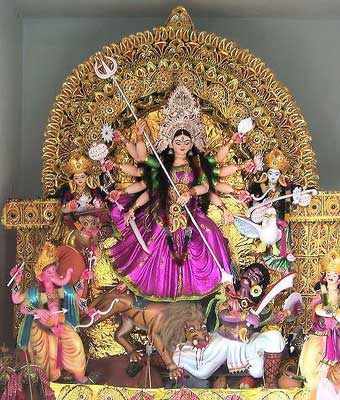 iImage Credit: PhotoXpress
Dussehra, also known as Vijayadashmi, is a major Indian festival celebrated on the tenth day of Ashvin month according to the Hindu calendar. This day falls in the month of September or October. The day culminates a 9 day fasting period of Navratri in the Hindu culture. The day also coincides with immersion of the idol of Goddess Durga. The day is celebrated to commemorate the killing of Ravana by Lord Rama. The day also celebrates the killing of demon Mahishasur by Goddess Durga. Dussehra celebration spreads the message of the victory of good over sin.
It is believed that the celebration of Dussehra started in the 17th century, when the king of Mysore ordered the celebration of the day on a grand scale. Ever since, the day is celebrated with great fervor and energy. There are a lot of mythological tales associated with the day. According to Ramayana,
Ravana was killed by Lord Rama on this day as revenge against the cruel act of kidnapping Goddess Sita by the former. Mythology also has it that Goddess Durga killed demon Mahishasura after a long spell of cruelty and oppression by Mahishasura. Another story associated with the origins of this day is the raining of gold coins. After Kautsa asked King Raghu for 140 million coins to give an offering to his Guru in return for his knowledge, Raghuraja went to Indra for help who then asked Lord Kuber to rain coins on the city of Ayodhya. After giving 140 million coins to his Guru, Kautsa distributed the rest to the people of Ayodhya.
Largely, the day is celebrated to commemorate the prevalence of good over evil. The day is celebrated on a large scale in India as well as in Bangladesh. The most famous Dussehra celebrations in India are those in the city of Mysore. Goddess Chamundeshwari is worshipped on this day and a grand procession of her idol is taken out across the city. Major buildings are decorated with lights and color across the city.
Other famous Dussehra celebrations in India include that of Kullu in Himachal Pradesh, Kolkata and Orissa, where the festival is preceded by week long celebrations. People visit the Pooja Pandals wearing new clothes, prepare traditional food at home and celebrate the festival with their friends and families. In most other parts of India, plays are organized across cities depicting the story of Ramayana which culminates in the killing of Ravana on this day. Statues of Ravana are burnt everywhere in India on Dussehra and in Delhi, the event is attended by political dignitaries in the Ramlila Maidan.
Dussehra Observances
- Thu
- Oct 09, 2008
- Mon
- Sep 28, 2009
- Sun
- Oct 17, 2010
- Thu
- Oct 06, 2011
- Wed
- Oct 24, 2012